

Best Countries for Digital Nomads in 2026: A Step-by-Step Guide
By Digital Task Compass
Working from a laptop no longer means working from one desk, but it does mean dealing with visas, tax residency rules, and cost-of-living math that most freelancers never had to think about before going remote. Picking blindly from a “top 10 dreamy destinations” listicle is how people end up overstaying a tourist visa or realizing too late that their income doesn’t stretch as far as a blog post promised.
This guide walks through a repeatable process for finding the best countries for digital nomads in 2026, why each step matters, and what’s actually changed in the visa landscape this year — plus a real example of how one freelancer chose her base the smart way instead of the trendy way.

What Does “Best Country for Digital Nomads” Actually Mean?
There’s no single winner among the best countries for digital nomads in 2026 — there’s a best country for you, based on your income, passport, family situation, and work style. The countries that consistently show up on serious shortlists share a few traits: a legal remote-work visa pathway (rather than a gray-area tourist stay), reasonable income requirements, reliable internet, manageable cost of living, and reasonable tax clarity for foreign-earned income.
More than 50 countries now run a dedicated digital nomad visa program, up from almost none a decade ago. That growth is good news for freelancers, but it also means more paperwork to compare and more fine print to read before you commit to a lease.
Step-by-Step Guide to Choosing Your Country
Step 1: Define Your Non-Negotiables First
Before you look at a single country, write down what you actually need: minimum monthly income you can document, whether you’re bringing a partner or kids, your passport’s visa-free access, climate preferences, and whether you need a strong startup or coworking scene.

How to do it: Make a simple two-column list — “must-have” and “nice-to-have.” Time zone overlap with your clients often belongs on the must-have side if most of your income depends on live calls.
Why it matters: Skipping this step is how people fall for a country because of Instagram photos, then discover six months in that the time zone kills their client relationships. Defining constraints first turns a huge decision into a filtering exercise.
Step 2: Shortlist Countries With an Actual Digital Nomad Visa
Search current, government-published visa lists rather than year-old blog rankings, since programs launch and change quickly — Slovenia only introduced its visa in late 2025, for example, and income thresholds get revised annually in many countries.
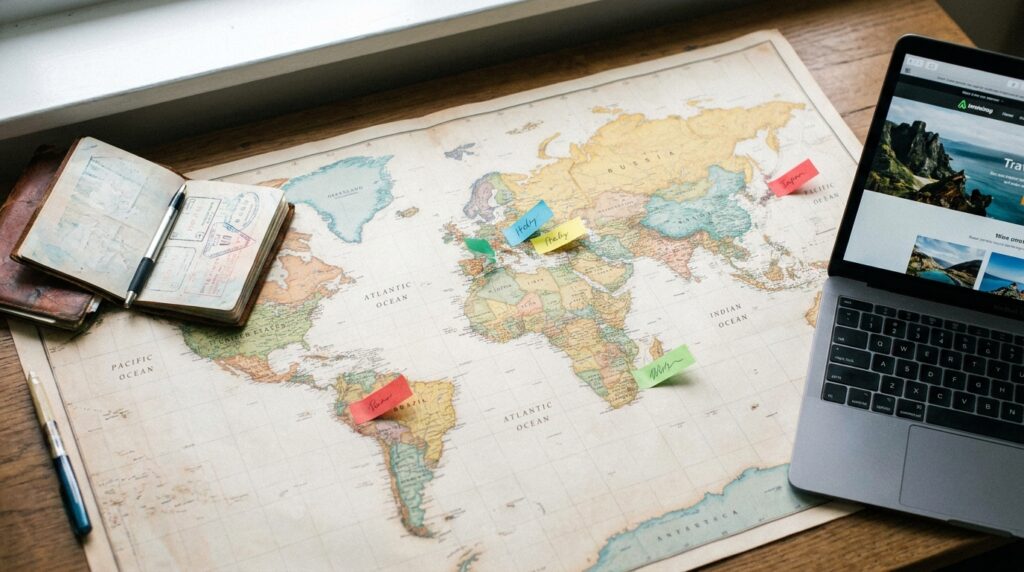
How to do it: Start with well-documented, active programs such as Spain, Portugal, Malta, Estonia, Croatia, Thailand, Malaysia, Japan, and South Korea, then check each government’s official immigration page for the current version of the rules.
Why it matters: A visa that existed two years ago may have new income minimums, a different application process, or may not exist in its old form at all. Relying on outdated listicles is one of the most common reasons applications get rejected.
Step 3: Compare Income Requirements Against Your Real Earnings
Every program sets a minimum proof-of-income threshold, and these vary widely — some countries ask for roughly the local minimum wage times two, others set a flat monthly figure in the low thousands of euros or dollars, reviewed and adjusted on a regular basis.
How to do it: Pull your last three to six months of invoices or bank statements and compare your average monthly income (before tax) against each shortlisted country’s published minimum, always checking the official embassy or immigration page for this year’s exact figure.
Why it matters: Thresholds change year to year and sometimes differ between two official pages for the same country, so a figure you read on a travel blog from 2024 can be dangerously out of date. Confirming directly with an official source before you apply avoids wasted application fees, and it’s the fastest way to narrow a long list down to the best countries for digital nomads in 2026 that actually fit your income.
Step 4: Factor In Cost of Living, Not Just Visa Cost
The visa application fee is usually the smallest expense. What actually determines whether a country works long-term is monthly rent, healthcare, groceries, and coworking costs relative to what you earn.

How to do it: Use a cost-of-living comparison tool alongside local Facebook groups or subreddits for the specific city (not just the country) you’re considering, since costs can differ dramatically between a capital and a smaller town.
Why it matters: Some of the best countries for digital nomads in 2026 on paper — with low visa income minimums — still have expensive capital cities. Comparing city-level costs prevents an unpleasant surprise once you’ve already signed a lease.
Step 5: Check Tax Residency Rules Before You Book Anything
Most countries treat you as a tax resident once you spend more than roughly 183 days there in a year, which can trigger local tax obligations even while you’re still filing taxes at home.
How to do it: Read the tax residency section of your target country’s official guidance, and if your income is significant, get a short consultation with an accountant familiar with cross-border freelance income before finalizing your plans.
Why it matters: Two countries can both claim you as a tax resident in the same year if you’re not careful about day counts and double-taxation treaties. This is the step people skip most often, and it’s the one most likely to cause expensive problems later.
Step 6: Test With a Shorter Stay Before Committing to a Full Visa
Where possible, spend four to eight weeks in your top choice on a standard tourist entry before applying for the full digital nomad visa, so you can test internet reliability, coworking options, and daily life before signing a year-long commitment.
How to do it: Book flexible, short-term accommodation for the trial period and treat it like a working sprint — keep your normal client hours and see how the internet, time zone, and pace of life actually hold up.
Why it matters: Marketing photos and personal blog posts rarely show the unglamorous parts — spotty internet in the “digital nomad hotspot,” a noisy apartment, or a coworking space that’s fully booked. A trial run surfaces these problems before you’ve committed a year and an application fee.
Step 7: Apply With Complete, Verified Documentation
Once you’ve chosen a country, gather every required document early: proof of income, health insurance covering your stay, proof of remote work status, accommodation details, and a clean criminal background check where required.
How to do it: Build a checklist directly from the official embassy or immigration website for your chosen country, and start the process at least two to three months before your intended move date, since processing times vary widely.
Why it matters: Missing or outdated documentation is the single most common reason digital nomad visa applications get delayed or rejected. Working from the official checklist, not a summarized blog version, catches requirements that generic guides sometimes leave out.
Best Countries for Digital Nomads in 2026: Countries Worth Shortlisting

Based on current program activity and demand, these consistently appear on shortlists for different reasons:
- Spain — Popular for its climate, healthcare system, and well-established digital nomad visa route tied to its Startup Act.
- Portugal — A long-running favorite for its D8 digital nomad visa and relatively lower cost of living compared to Western Europe.
- Estonia — One of the first countries to launch a dedicated visa, backed by strong digital government infrastructure.
- Malta — Balanced conditions and a full English-speaking environment inside the EU, though income requirements run higher.
- Croatia — A straightforward application process and lower living costs along the Adriatic coast.
- Thailand — A multi-year visa option aimed at remote professionals wanting a longer Southeast Asian base.
- Malaysia — Frequently ranked as a strong balance of affordability and infrastructure in Asia.
- Japan and South Korea — Newer programs aimed at highly skilled remote professionals, both family-inclusive, though income minimums and paperwork tend to be stricter.
Real-World Example: Choosing Portugal Over a Trendier Destination

A UK-based freelance copywriter had her heart set on a well-known Southeast Asian “digital nomad hub” after seeing it constantly recommended online. Before booking a one-way flight, she ran through this exact process: she listed her non-negotiables (reliable evening video calls with UK clients, a real visa path, manageable healthcare costs), then compared three shortlisted countries against her actual monthly income.
Portugal’s time zone overlap with the UK, established D8 visa route, and moderate cost of living outside Lisbon’s center scored higher on her list than the trendier option, even though it had a less viral reputation. She did a six-week trial stay in Porto before applying, confirmed her tax situation with an accountant familiar with UK-Portugal treaties, and applied with a fully prepared document set. Her application was approved on the first attempt, and she credits the trial stay with catching that her original neighborhood choice had unreliable internet — something no blog post had mentioned.
Common Mistakes to Avoid
Even freelancers who research the best countries for digital nomads in 2026 carefully tend to trip over the same handful of avoidable mistakes:
- Trusting outdated income figures — Always confirm the current threshold on the official government page, not a blog post from a previous year.
- Ignoring tax residency rules — Spending more than the local day-count threshold without planning for it can create dual tax obligations.
- Skipping travel or health insurance requirements — Many visas require specific minimum coverage, and generic travel insurance sometimes doesn’t qualify.
- Choosing a country based on photos, not logistics — Time zone, internet reliability, and healthcare access matter more day-to-day than scenery.
- Applying without a paper trail of income — Invoices, contracts, and bank statements need to be organized and consistent before you apply, not gathered at the last minute.
Useful Tips
A few habits make comparing the best countries for digital nomads in 2026 easier the next time your plans change:
- Keep a dedicated folder (cloud-based, backed up) with your passport scans, invoices, insurance documents, and visa paperwork so applying for a second country later is far less painful.
- Join a country- or city-specific digital nomad group before you arrive to get current, unfiltered information on internet quality, safe neighborhoods, and coworking options.
- Build in a financial buffer of at least two to three months of expenses before relocating, since visa processing delays and unexpected costs are common.
- Revisit your destination shortlist annually — visa rules, income thresholds, and rankings shift enough year to year that last year’s plan may need updating.
- Before you relocate, spend time on building a lean, portable freelance toolkit so your invoicing, project management, and client communication all work reliably from anywhere with decent internet.
Frequently Asked Questions
Do I need a digital nomad visa, or can I just travel on a tourist visa? Tourist visas generally don’t authorize any kind of work, remote or otherwise, and using one that way violates most countries’ immigration rules. A dedicated digital nomad visa exists specifically to make remote work abroad legal.
Which is the single best country for digital nomads in 2026? There isn’t one universal answer — the best countries for digital nomads in 2026 depend on your income level, passport, family situation, and client time zones. A country that’s ideal for a US-based freelancer with US dollar clients may be a poor fit for someone billing in a different currency and time zone.
Do digital nomad visas usually allow bringing a spouse or children? Many programs do allow dependents, though the required income typically increases to cover each additional family member. Always check the specific country’s current dependent rules rather than assuming they match another country’s policy.
How much income do I need to qualify? This varies significantly by country and changes periodically, so there’s no single safe number to quote. Always verify the current, official threshold directly on the relevant government or embassy website before making any plans.
Can I lose my tax residency status back home by moving abroad? It depends entirely on your home country’s specific rules, which vary widely. This is exactly the kind of question worth a short paid consultation with a cross-border tax professional rather than guessing from forum posts.
Final Thoughts

There’s no shortcut that replaces defining your own constraints, comparing real income requirements, and reading official sources before you commit. The freelancers who land on a country that actually works long-term are the ones who treated this like the step-by-step process it is, rather than picking from a “top 10” list and hoping for the best.
Revisit your shortlist regularly, since the best countries for digital nomads in 2026 aren’t necessarily the same ones that will top the list next year. Start with your non-negotiables, confirm every figure on an official source such as Estonia’s official digital nomad visa guidelines, and test a destination with a short trial stay before signing anything long-term.