
Building a Personal Brand on LinkedIn as a Freelancer in 2026
Most freelancers treat LinkedIn as a static resume they update once a year, then wonder why leads never show up there. Meanwhile, a smaller group of freelancers post consistently, get inbound client messages weekly, and rarely need to cold-pitch at all. The difference almost always comes down to one thing: building a personal brand on LinkedIn deliberately, rather than treating the platform as an afterthought.
This guide walks through exactly how to build a personal brand on LinkedIn as a freelancer step by step, why each stage matters, and a real example of someone who turned a quiet, resume-style profile into a genuine source of client leads.
Why LinkedIn Still Matters for Freelancers in 2026
Unlike Fiverr or Upwork, where freelancers compete directly on price and star ratings, LinkedIn positions you as a professional with a perspective rather than just a service listing. Clients researching a freelancer before hiring frequently check LinkedIn regardless of which platform the actual work happens on, which makes a thin or outdated profile a quiet liability even for freelancers who never actively use the app. Building a personal brand on LinkedIn gives you a compounding asset: every post, comment, and connection adds to a visible track record that keeps working for you long after you’ve stopped actively promoting yourself.
Step 1: Define a Specific Point of View, Not Just a Job Title
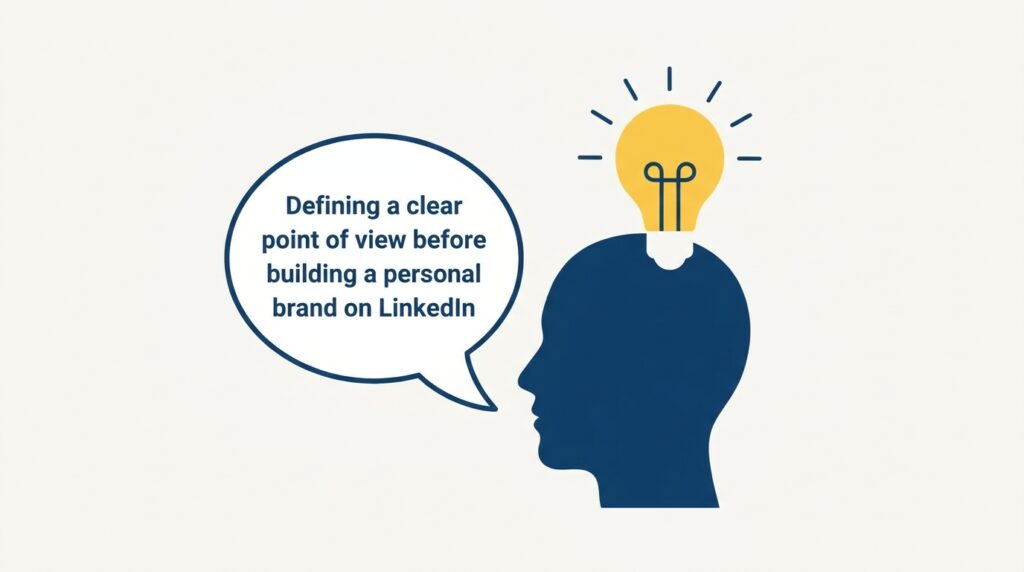
Instead of a headline that only lists your role, decide on the specific angle or opinion you want to be known for within your niche — a particular methodology, a contrarian take, or a focus area within a broader field.
Why it matters: A generic headline blends into a feed full of identical-sounding freelancers. Building a personal brand on LinkedIn starts with having something specific to say, since a clear point of view is what makes people remember and follow you rather than scroll past. It doesn’t need to be provocative — it just needs to be specific enough that someone could repeat it back to a colleague after seeing your profile once.
Step 2: Rewrite Your Profile Around Client Outcomes
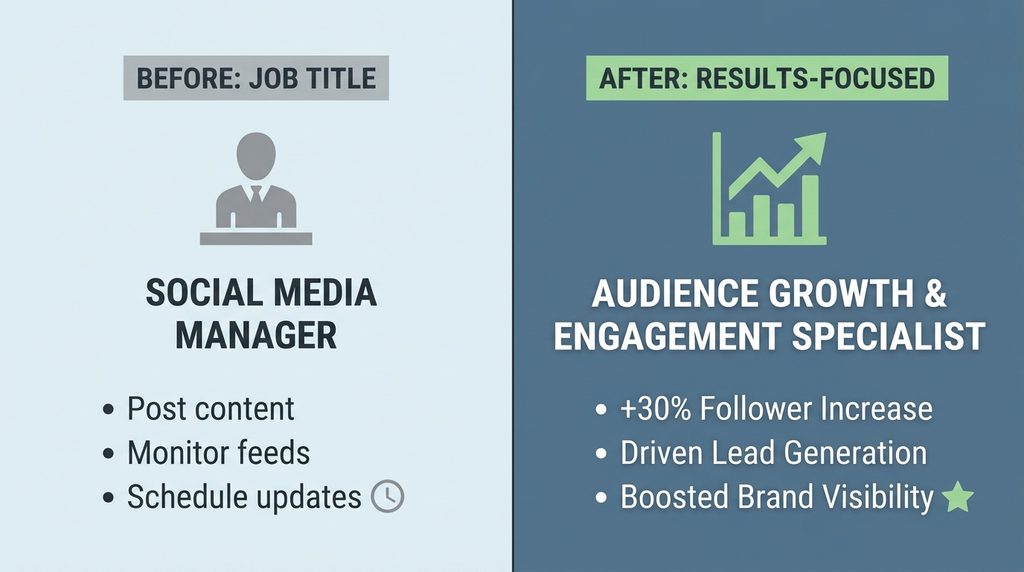
Rework your headline, About section, and featured work to describe the results clients get from working with you, rather than a list of tools or years of experience.
Why it matters: Potential clients skim profiles looking for evidence they’ll get a specific outcome, not a biography. This single rewrite often does more for lead generation than any other single change, because it directly answers the question every visitor is silently asking.
Step 3: Post Consistently, Even If Imperfectly
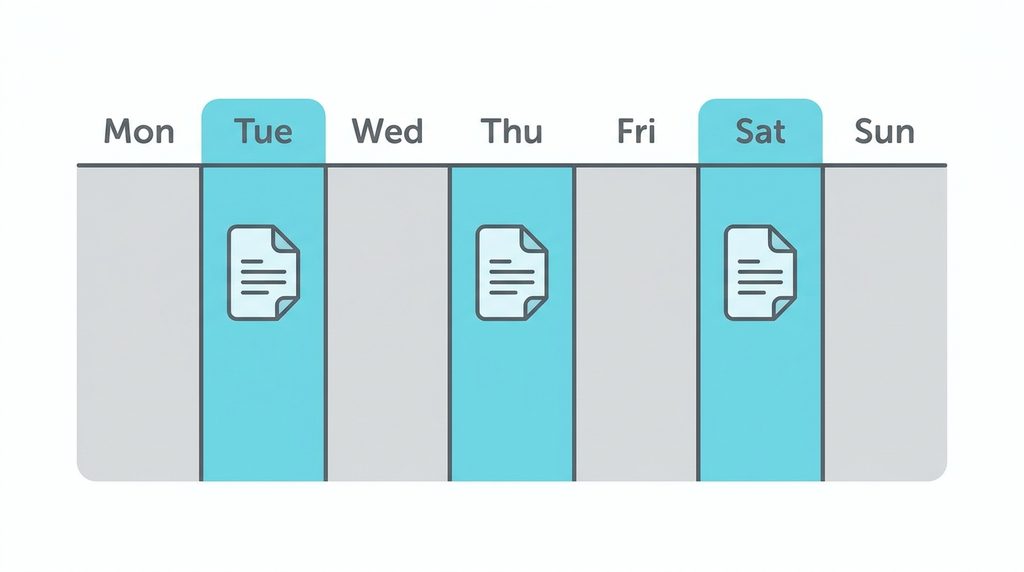
Commit to a realistic posting schedule, two to three times a week is enough to start, and prioritize consistency over polish, especially in the first few months.
Why it matters: LinkedIn’s algorithm and audience memory both reward consistency far more than occasional viral posts. Freelancers trying to build a personal brand on LinkedIn often stall out by waiting for a “perfect” post instead of publishing something useful regularly.
Step 4: Share Real Process, Not Just Polished Wins
Post about actual client problems you solved, mistakes you learned from, or behind-the-scenes decisions, rather than only sharing finished results and testimonials.
Why it matters: Process content builds more trust than highlight-reel content because it demonstrates how you think, not just what you’ve achieved. This kind of content is also what other freelancers and potential clients tend to comment on and share, extending your reach organically.
Step 5: Engage Actively in Your Niche’s Conversations
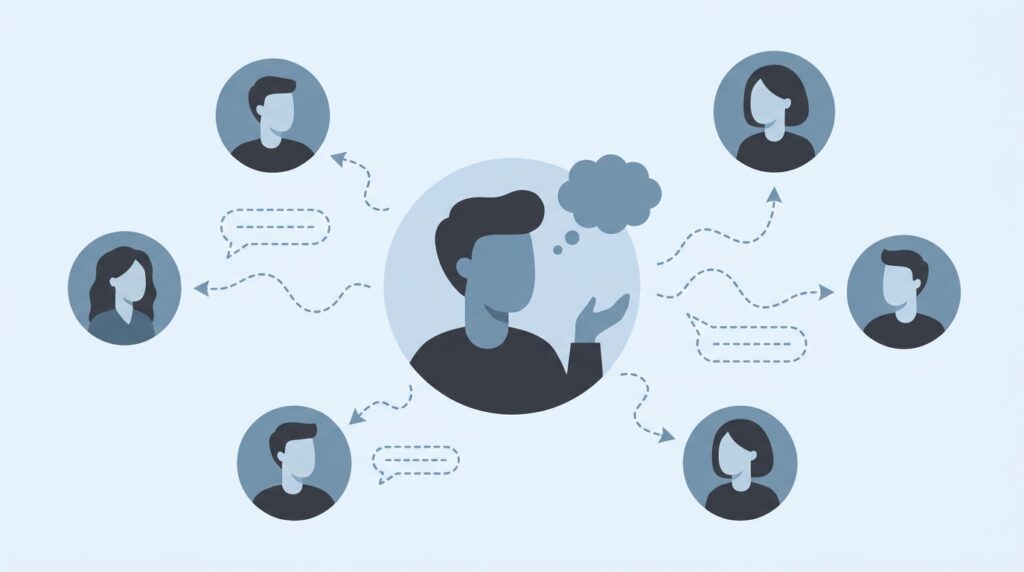
Spend time genuinely commenting on posts from potential clients, industry leaders, and peers in your niche, rather than only posting your own content and waiting for engagement.
Why it matters: Visibility on LinkedIn compounds through relationships as much as through your own posts. Thoughtful comments on the right people’s content often introduce you to new audiences faster than posting alone ever could.
Step 6: Build a Simple Content System You Can Sustain
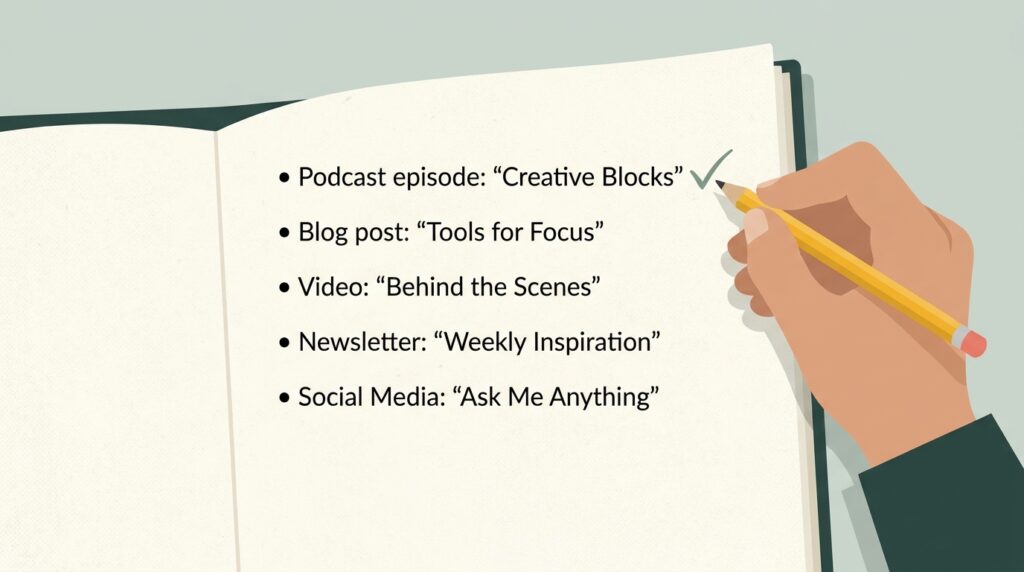
Keep a running list of post ideas pulled from client questions, project lessons, and industry observations, so you’re never starting from a blank page under time pressure.
Why it matters: Inconsistent posting usually comes from running out of ideas, not running out of time. A simple idea backlog removes the single biggest obstacle to the consistency that building a personal brand on LinkedIn actually requires.
Step 7: Turn Profile Visitors Into Conversations
Add a clear, low-pressure call to action in your About section or a pinned post, inviting the right kind of visitor to message you, rather than leaving your profile as a passive display.
Why it matters: Many potential clients browse a profile, feel interested, and then leave without acting simply because there was no obvious next step. A specific, easy invitation converts silent visibility into actual conversations far more reliably than hoping people will reach out on their own.
Step 8: Track What Content Actually Leads to Client Conversations
Keep a simple log of which posts led to genuine inquiries or connection requests from potential clients, and lean further into those themes over time.
Why it matters: Follower counts and post likes are poor proxies for business impact. Tracking actual conversations traces your personal brand efforts back to real outcomes, which tells you exactly which content is worth doubling down on. This habit is what turns building a personal brand on LinkedIn from a vague marketing activity into a measurable part of your actual client-acquisition process, with real numbers behind it instead of guesswork.
Real-World Example: From Resume Profile to Inbound Leads
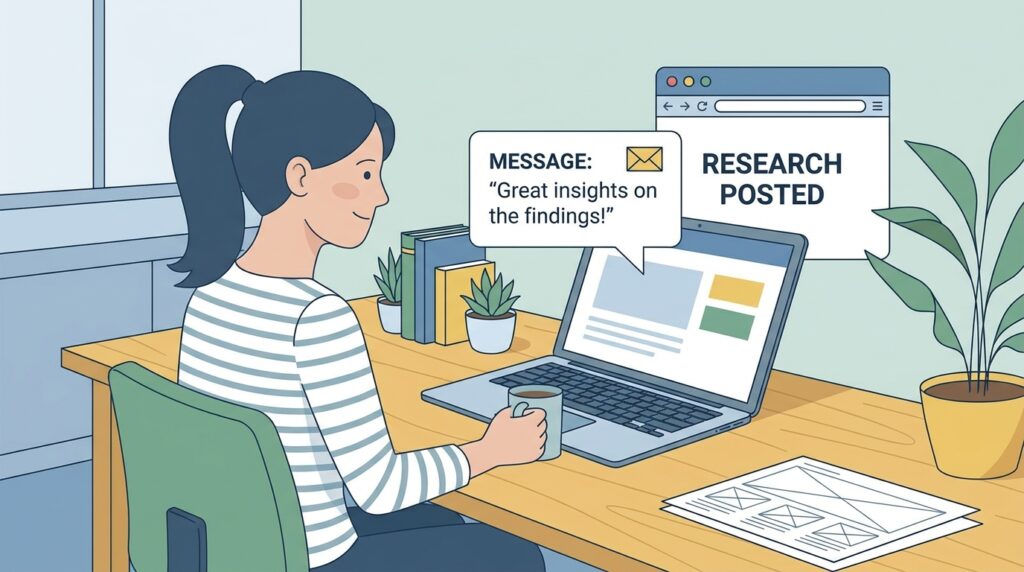
A freelance UX researcher had kept her LinkedIn profile essentially unchanged for three years — a job-title headline, a short bio, and no posts at all. She relied entirely on referrals and cold outreach for new clients, which left her income unpredictable month to month.
She started by rewriting her headline and About section around the specific outcome she delivered — helping SaaS companies reduce onboarding drop-off through targeted user research — and committed to posting twice a week about real research findings and lessons from her projects, without disclosing confidential client details. Within the first month, engagement was modest, but by the third month, a founder who had been quietly following her posts messaged her directly after she shared a breakdown of a common onboarding mistake she kept seeing across projects. That single message turned into a four-month retainer, and two more inbound conversations followed within the next two months from people who mentioned specific posts of hers by name. Looking back, she noted that the posts which generated the most direct client interest weren’t her most polished pieces, but the ones where she walked through a specific, slightly messy decision she’d made mid-project and explained her reasoning honestly. Her experience shows that building a personal brand on LinkedIn doesn’t require viral reach, just consistent, specific content that the right small audience actually remembers.
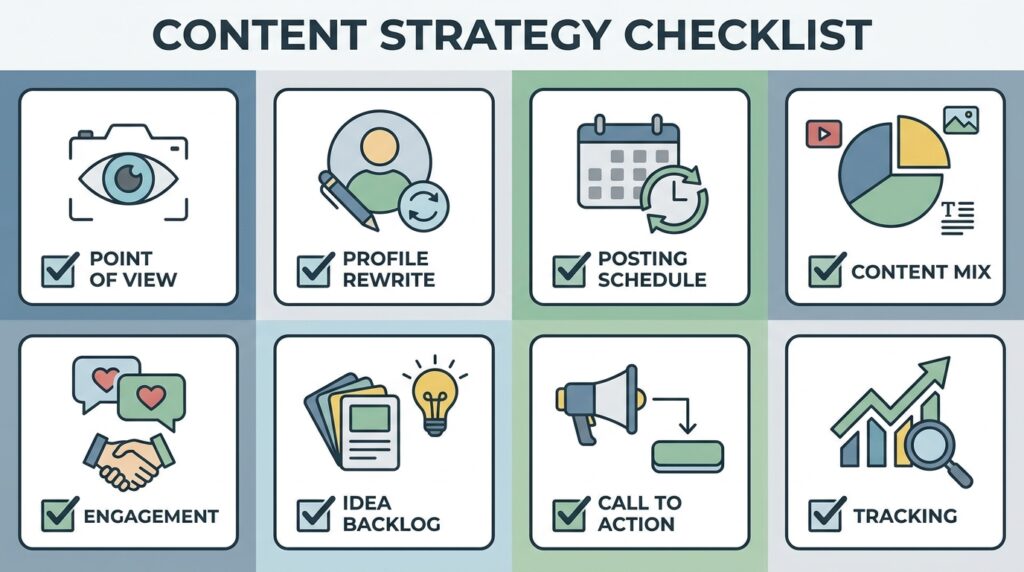
Quick LinkedIn Personal Brand Checklist
- A specific point of view defined within your niche
- Headline and About section rewritten around client outcomes
- A realistic, sustainable posting schedule in place
- A mix of process-focused and results-focused content
- Active, genuine engagement on other people’s posts
- A running backlog of content ideas
- A clear call to action inviting conversations
- A simple log tracking which content leads to real inquiries
Frequently Asked Questions
How long does it take to see real results from building a personal brand on LinkedIn? Most freelancers notice modest engagement within the first month, but genuine inbound client conversations usually take two to four months of consistent posting to appear. Treating it as a compounding, long-term effort rather than a quick campaign tends to produce far better results than expecting immediate leads.
Do I need a large following for this to work? No. Many freelancers land meaningful client work from a relatively small, well-targeted audience of a few hundred relevant connections. Building a personal brand on LinkedIn works because the right handful of people see and remember your content, not because a large number of strangers happen to scroll past it.
What if I’m not comfortable posting personal opinions publicly? You don’t need to share anything personal or controversial. Sharing specific professional observations, project lessons, and client-outcome stories is usually more effective for lead generation than personal opinion content anyway, and it keeps the focus clearly on your expertise.
Final Thoughts
None of this requires becoming a full-time content creator or chasing viral posts. It requires a specific point of view, a sustainable rhythm, and enough patience to let visibility compound over months rather than days. Freelancers who treat their profile as a passive resume tend to stay dependent on referrals and cold outreach indefinitely, while those who commit to building a personal brand on LinkedIn deliberately often find that a meaningful share of new work eventually comes to them instead of the other way around.
If you’re managing multiple client conversations that start coming in once your visibility grows, it’s worth reading our related guide on the best project management tools for freelancers, which covers how to stay organized as inbound leads and active projects both increase.
For a deeper look at how LinkedIn’s algorithm currently favors certain content types, see LinkedIn’s own guide to the feed and engagement.