
How to Prevent Remote Work Burnout: A Practical 2026 Guide
Remote work removed the commute and the open-plan office, but for a lot of people it also removed the natural boundary between “at work” and “off work.” Laptops sit open on kitchen tables late into the evening, notifications arrive at all hours, and the line between a quick check-in and a full extra shift blurs fast. Learning how to prevent remote work burnout has become one of the most practical skills a distributed employee or freelancer can build, right alongside actual job skills.
This guide walks through a step-by-step process for protecting your energy and focus while working remotely, why each step actually works, and a real example of someone who rebuilt a sustainable routine after hitting a wall.
Why Remote Work Burnout Looks Different From Office Burnout
Office burnout usually builds around visible pressures — long meetings, a difficult commute, an overbearing manager standing nearby. Remote burnout is quieter and easier to miss, because it often comes from the absence of structure rather than an obvious source of stress. Without a commute to signal “the workday is over,” many remote workers slide into checking messages at dinner, working through lunch out of habit, or feeling guilty for stepping away during business hours even when their actual workload doesn’t require it. Understanding how to prevent remote work burnout starts with recognizing that the causes are often invisible, self-imposed, and easy to normalize until exhaustion has already set in.
Step 1: Set a Real Start and End Time, and Protect It

Choose specific working hours and treat them as seriously as you would an in-office schedule, including a clear signal — closing the laptop, changing clothes, a short walk — that marks the transition out of work mode.
Why it matters: Without a physical office to leave, your brain needs an alternative cue that the workday has ended. Skipping this step is one of the most common root causes behind remote workers who can’t figure out why they still feel “on” well into the evening.
Step 2: Create a Dedicated Work Space, Even a Small One
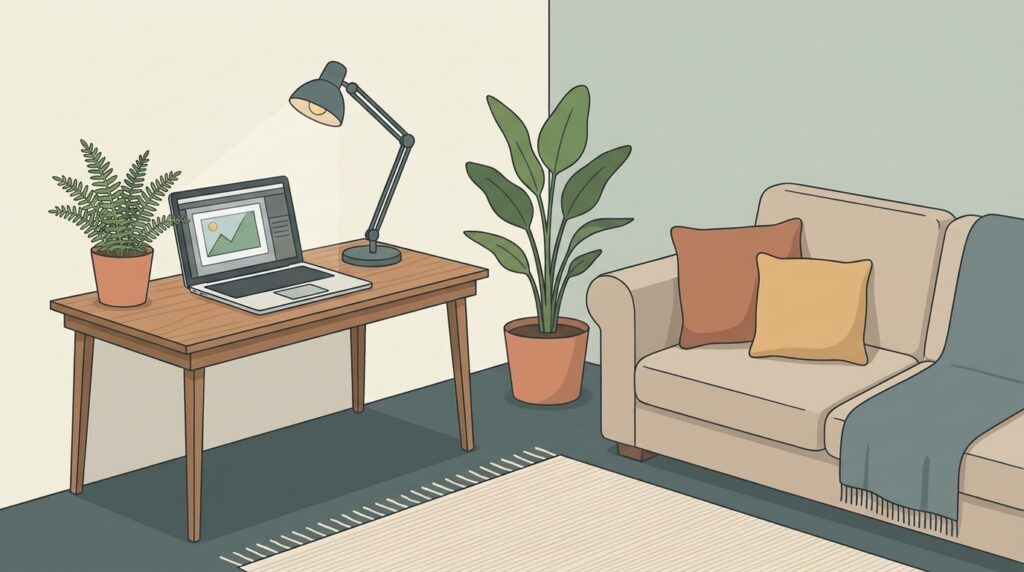
Set up a specific spot for work, even if it’s just one corner of a table, and avoid working from your bed or couch as a general habit.
Why it matters: Physical separation between work and rest spaces helps your brain associate specific locations with specific states. This is a foundational, low-cost step in how to prevent remote work burnout, since blending every space in your home with work removes any physical refuge from it, leaving nowhere in the house that reliably signals rest.
Step 3: Build Movement and Outdoor Time Into Your Day Deliberately
Schedule short walks, stretching breaks, or any physical activity directly into your calendar rather than hoping it happens naturally.
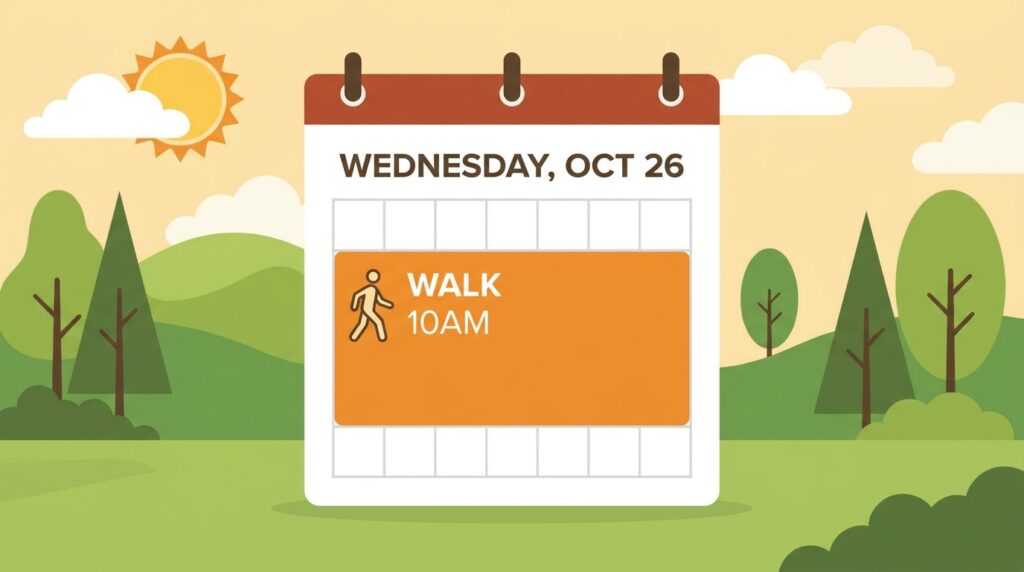
Why it matters: Remote work removes incidental movement that office life used to include, like walking to a meeting room or grabbing coffee down the street. Deliberately scheduling movement replaces that lost activity and measurably improves focus and mood over a normal workday.
Step 4: Audit and Reduce Notification Overload
Turn off non-essential notifications from work chat apps, email, and project tools outside your set working hours, and batch-check messages at set intervals rather than reacting instantly all day.
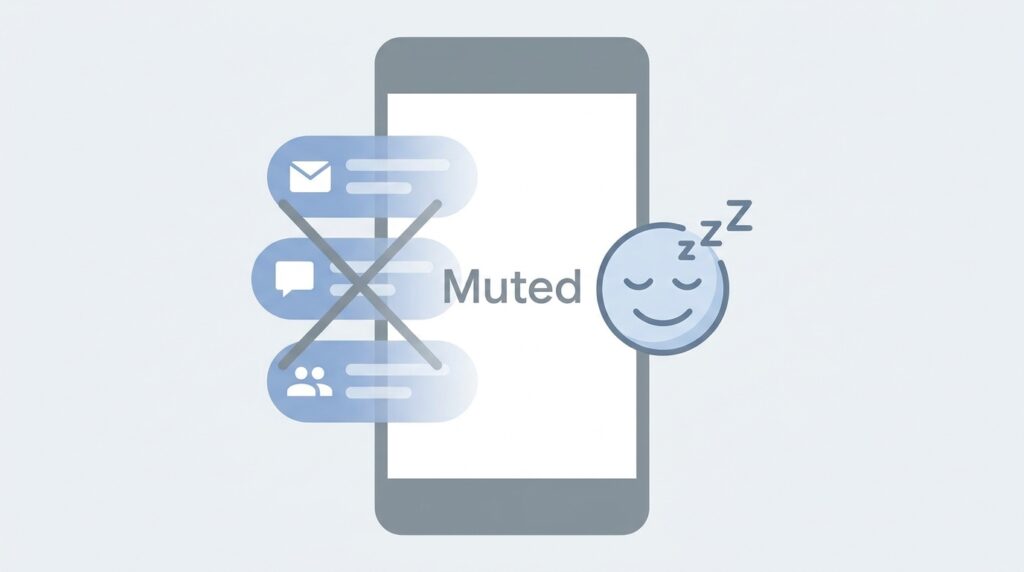
Why it matters: Constant notifications keep your nervous system in a low-grade state of alertness even when nothing urgent is actually happening. Reducing this noise is one of the fastest, most concrete answers to how to prevent remote work burnout, because it directly lowers the background stress most people don’t even notice they’re carrying, and it’s often the single change that produces the most immediately noticeable relief.
Step 5: Schedule Real Breaks, Not Just Screen Breaks
Take breaks that actually involve leaving your screen entirely — a walk, cooking, reading, a real conversation — rather than switching from work tabs to social media tabs.
Why it matters: Scrolling a phone during a “break” still keeps your attention fragmented and rarely provides genuine mental rest. True recovery requires a real change of activity, not just a change of app.
Step 6: Protect at Least One Full Social Connection Point Weekly
Deliberately schedule a call, coffee, or in-person meetup with a friend, colleague, or coworking group at least once a week.

Why it matters: Isolation is one of the strongest predictors of burnout, and a single reliable weekly connection point does a surprising amount to counter it. Freelancers who work entirely alone are especially prone to this factor, since it’s easy to go days without a genuine, unhurried conversation, which quietly compounds the effects of skipping other steps in how to prevent remote work burnout.
Step 7: Track Your Energy, Not Just Your Task List
Keep a simple daily note of your energy level, not just what got done, and review it weekly to spot patterns tied to specific days, projects, or clients.
Why it matters: Task lists tell you what happened but not how it felt to do it. Energy tracking surfaces burnout risk early, often weeks before exhaustion becomes undeniable, giving you a real chance to adjust before hitting a full wall, which is exactly the kind of early intervention that makes it possible to prevent remote work burnout rather than simply react to it after the fact.
Step 8: Build in a Genuine Recovery Period When You Notice Warning Signs
If you’re consistently exhausted, irritable, or dreading tasks you normally enjoy, treat that as a signal to actively scale back rather than pushing through until a deadline forces a break.
Why it matters: Early, voluntary recovery is far less disruptive than the forced recovery that comes after a full burnout collapse. Recognizing warning signs and adjusting workload proactively is the step that ties the rest of this guide together into an actual prevention system rather than just a list of habits.
Real-World Example: Rebuilding a Sustainable Routine After Burnout
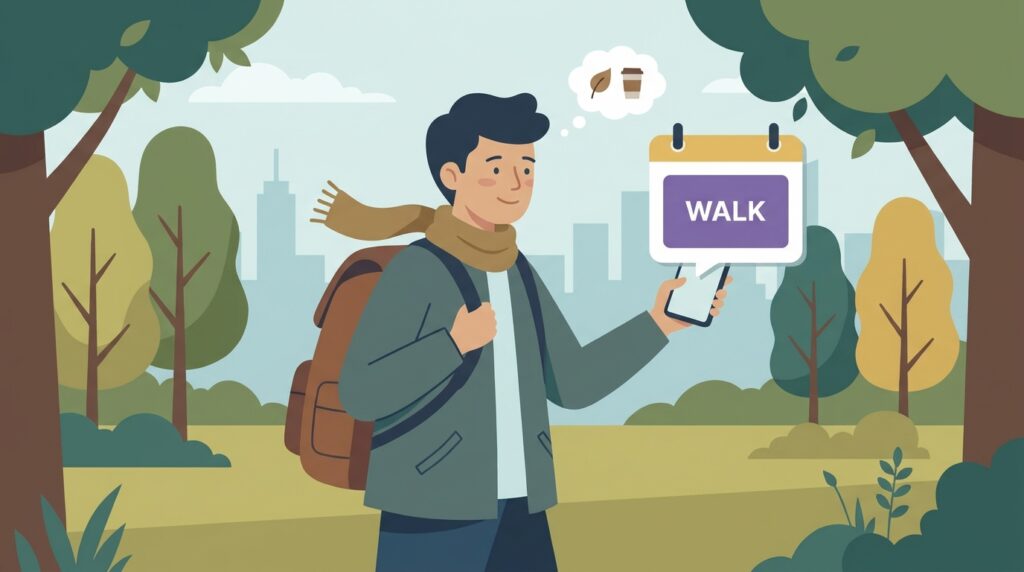
A remote content marketer working across three time zones for different clients found herself answering messages from early morning until late at night for months, convinced that constant availability was what made her valuable. She started skipping lunch breaks, stopped exercising, and noticed she was dreading Monday mornings by Sunday afternoon, well before the workweek had even started.
After a particularly rough month, she implemented a version of this guide directly: she set fixed working hours overlapping only partially with each client’s time zone, turned off notifications outside those hours, and blocked a daily thirty-minute walk on her calendar as a non-negotiable meeting with herself. She also started sending clients a short weekly update instead of answering every message the moment it arrived, which she’d assumed clients would push back on but which none of them actually minded. Within six weeks, she reported sleeping better, feeling noticeably less irritable, and completing the same amount of client work in fewer total hours. Her experience shows that learning how to prevent remote work burnout often isn’t about doing less work overall, but about restoring the boundaries that remote setups quietly erode over time.
Quick Burnout-Prevention Checklist
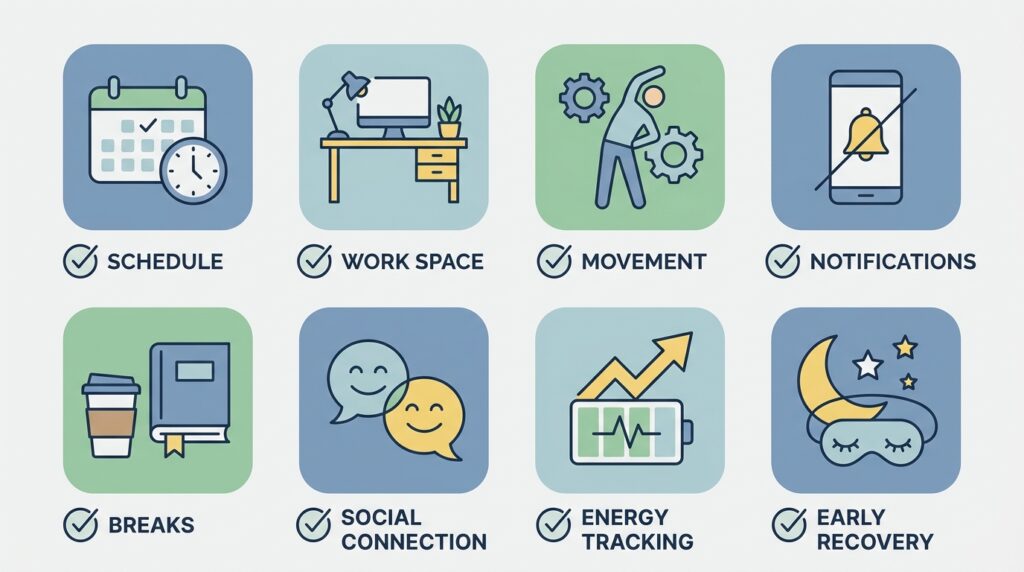
- Fixed start and end times with a clear transition ritual
- A dedicated work space separate from rest areas
- Movement or outdoor time scheduled directly into the day
- Notifications limited outside working hours
- Real breaks that fully leave the screen behind
- At least one weekly social connection point protected
- Daily energy tracking alongside your task list
- A willingness to scale back proactively at early warning signs
Frequently Asked Questions
Is remote work burnout different from regular job burnout? The underlying exhaustion feels similar, but the causes often differ. Office burnout is frequently tied to visible pressures like commuting or a difficult manager, while learning how to prevent remote work burnout usually means addressing invisible causes — blurred boundaries, isolation, and the absence of natural transition points between work and rest.
How quickly can these steps actually make a difference? Many people notice a difference within two to three weeks of consistently applying even a few of these steps, particularly fixed work hours and reduced notifications. Full recovery from more advanced burnout can take longer and may benefit from a lighter workload during that period.
What if my employer or clients expect constant availability? This is one of the most common obstacles to remote work boundaries. A brief, direct conversation about response-time expectations resolves this more often than people assume, since many clients and employers agree to reasonable boundaries once they’re clearly proposed rather than just quietly enforced.
Final Thoughts
Remote work burnout rarely announces itself with one dramatic moment — it builds quietly through blurred boundaries, constant availability, and skipped recovery time until exhaustion feels normal. Rebuilding structure deliberately, even in small pieces, reverses that pattern far more effectively than waiting for a breaking point to force a change. If exhaustion, dread, or persistent low mood are showing up regularly and this kind of self-directed adjustment isn’t enough, it’s worth talking to a doctor or mental health professional rather than trying to manage it alone. For most remote workers, though, learning how to prevent remote work burnout comes down to consistently applying a handful of small, protective habits before exhaustion has a chance to take hold.
If you’re also trying to keep client work organized while protecting your schedule, it’s worth reading our related guide on the best project management tools for freelancers, which covers systems that reduce the constant status-checking that often drives remote overwork.
For further reading on workplace burnout and its recognized symptoms, see the World Health Organization’s overview of burnout as an occupational phenomenon.